The blog
Articles
Practical guides on taxes, starting and funding a company, and working with larger corporations.

Build, Buy or Partner? How to Choose the Right Path to Growth
Once a company knows where it wants to grow, the next question decides most of the outcome: build it, buy it, or partner for it. Most teams pick by instinct.

California vs. Federal Taxes: Where the Rules Differ
Your California return starts from your federal numbers, but the state has not adopted many federal rules. Each difference is an adjustment someone has to remember to make.
Estimated Taxes: How to Avoid the Underpayment Penalty
You can pay every dollar you owe by April 15 and still be charged a penalty. The IRS and California both expect tax to be paid as income is earned, and the two follow different schedules.

Getting Your Company Ready for an Acquirer’s Diligence
When an acquirer gets serious, diligence begins. More deals are repriced, delayed or lost in this stage than founders expect, and usually for reasons that were fixable in advance.
How Smaller Companies Can Grow Through Acquisitions
Acquisitions are not reserved for large corporations with dedicated deal teams. For an owner-run business, a small, well-chosen purchase can be the fastest way to grow.

Laid Off This Year? What It Means for Your Taxes
A layoff changes more than your paycheck. Severance, unemployment, your 401(k), stock options and health insurance each come with tax rules, and several have deadlines.

Partnering With a Big Company Without Getting Burned
A partnership with a large corporation can change a startup's trajectory. It can also consume a year of your best people's time and produce nothing. The difference is usually visible early.

RSUs, ESPP and Stock Options: How to Avoid Paying Tax Twice
If part of your pay comes in company stock, the Form 1099-B from your broker often shows the wrong cost basis. Enter it as printed and you pay tax twice on the same income.

Selling Your Home: The $250,000 / $500,000 Exclusion Explained
When you sell your main home, up to $250,000 of gain, or $500,000 on a joint return, can be tax-free. In the Bay Area, many long-time owners have gains well beyond that.
Taking Money From a Corporate Investor: What Founders Should Know
A corporate venture arm is not a traditional VC with a logo attached. It invests for different reasons, moves at a different pace, and can shape who is willing to buy your company later.

No Tax on Tips, Overtime and Car Loans? Who Actually Qualifies
Four new federal deductions run from 2025 through 2028: tips, overtime, car loan interest and an extra deduction for those 65 and older. The headlines are simpler than the rules.

What the 2025 Tax Law Changed for Bay Area Families
The tax law signed in July 2025 rewrote several of the numbers Bay Area households rely on most. Here is what changed for your 2025 and 2026 returns, and what quietly ended.
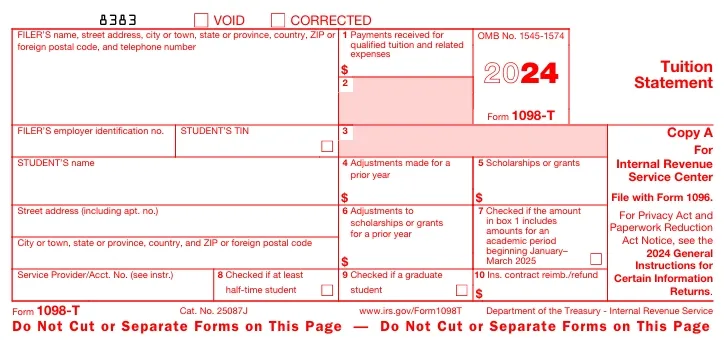
Why a True Tax Professional Matters: Maximizing Your Savings
Finding a tax professional who thoroughly understands the tax code and takes the time to optimize your return is essential.

How to Raise Money Without a Finished Product: Winning Over Investors with Early Validation
You’ve built a lean MVP, validated the idea, and proven demand. Now, it’s time to raise money; but how do you convince investors when you’re still early-stage? The key is to de-risk the opportunity.

Side Hustles & Taxes: What You Need to Know
The rise of the gig economy has given millions of people the opportunity to earn extra income through side hustles. This is especially relevant in the Bay Area as a lot of tech based employees are diversify their income stream.
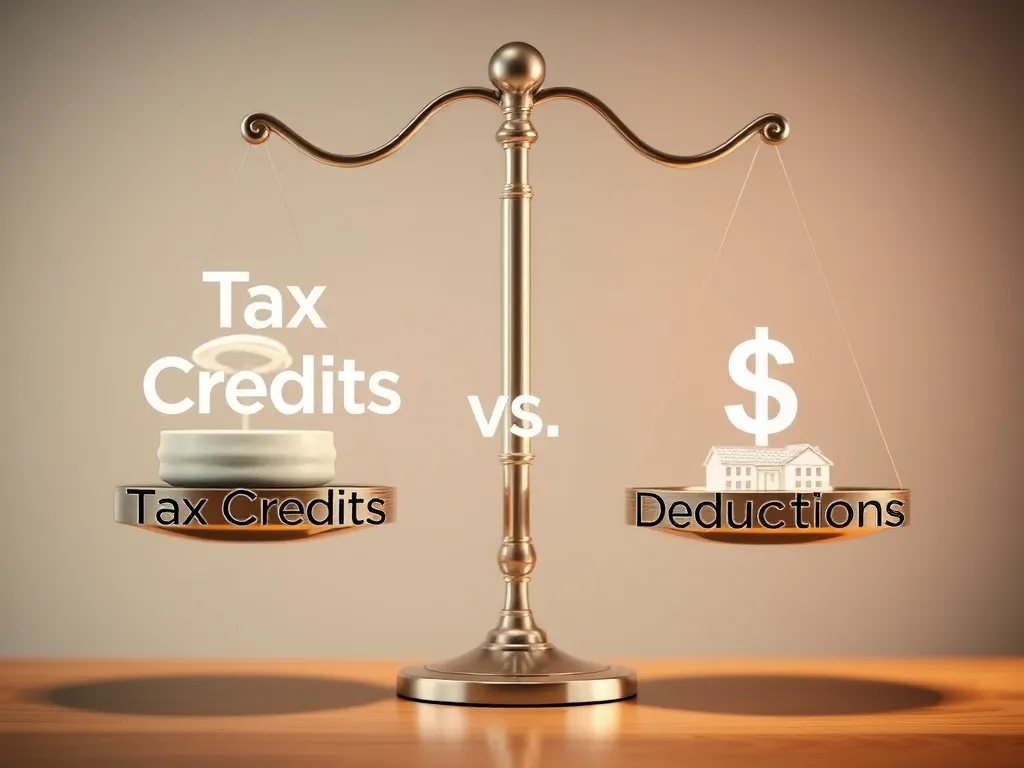
Tax Credits vs. Tax Deductions: What’s the Difference & Why It Matters
When tax season rolls around, terms like “tax credits” and “tax deductions” often get thrown around, but many taxpayers aren’t fully aware of how they differ and the financial impact each can have.
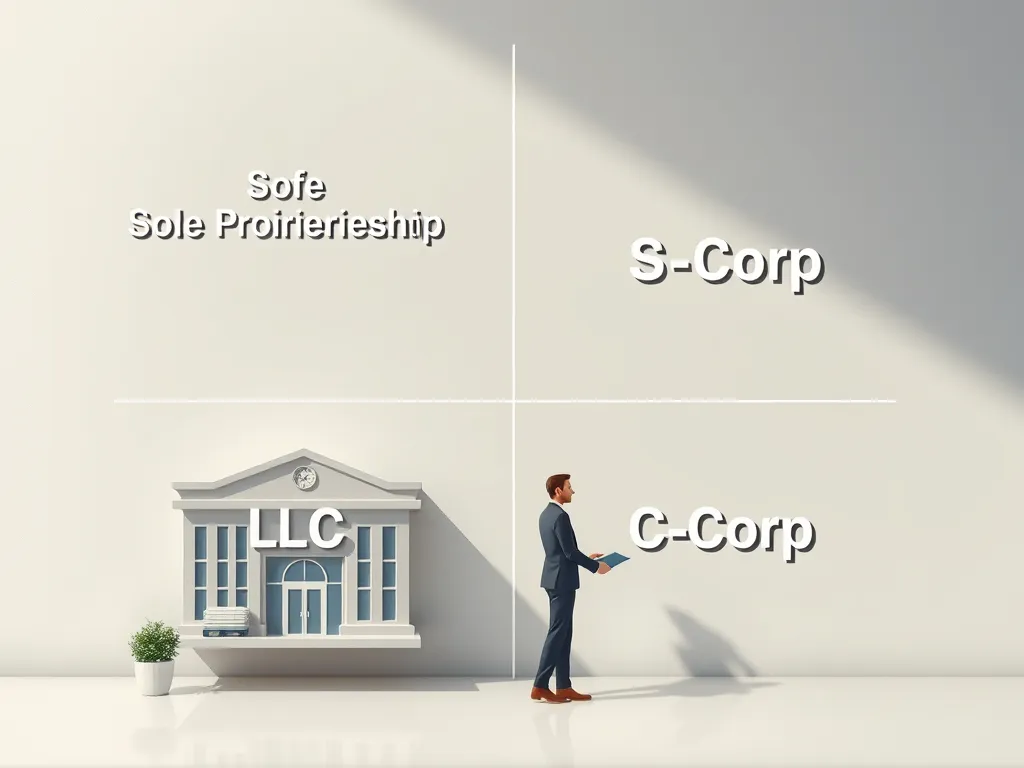
The Pros & Cons of Different Business Structures for Taxes
Choosing the right business structure is one of the most important decisions entrepreneurs make. Each structure has unique tax implications, liability considerations, and administrative requirements.

The Startup Chicken-and-Egg Problem: How to Build a Product Without Funding (And Raise Funding Without a Product)
Starting a company is exciting, but for first-time founders, it presents a fundamental paradox: You need money to build a viable product. Investors won’t give you money unless you have a viable product.

Top Tax Credits and Deductions Most People Overlook
Tax season can be overwhelming, but it doesn’t have to be financially draining. With the Bay Area tech market facing uncertainty, it’s more important than ever to ensure you’re minimizing your tax burden.

Strategy First!
As a startup seeking collaboration with larger corporations, aligning with their strategic priorities is vital. The approach to setting these priorities varies across companies.

Hello? No Response…
When reaching out to a potential company for collaboration, it’s often challenging to get a response unless you already have an established relationship within the organization.

Why Do Inorganic Initiatives Fail?
Every year, billions of dollars are spent on transactions aimed at fueling company growth. Yet, the statistics are clear: the majority of these efforts end in failure, particularly in M&A.

Alignment with Strategic Ambitions is Key
For any company aiming to collaborate with a larger corporation, alignment is key. How well does your product or service fit within the corporation’s strategic goals?

Primer On Corporate Development: The Driver of Corporate Catalyst
Corporate Development teams are essential to driving growth through inorganic means. Their scope can vary across organizations, but typically includes acquisitions, investments, partnerships, and business development.

When Big Corporations Come Knocking
So, a big company reaches out, and there’s a lot of excitement within the leadership team as you try to figure out potential outcomes. From the perspective of the larger corporation, there are several reasons for their interest.